
Unpopular (But True): All the tracking, optimizing and biohacking may be making you worse, not better
What you call discipline might just be anxiety in a fitness tracker.
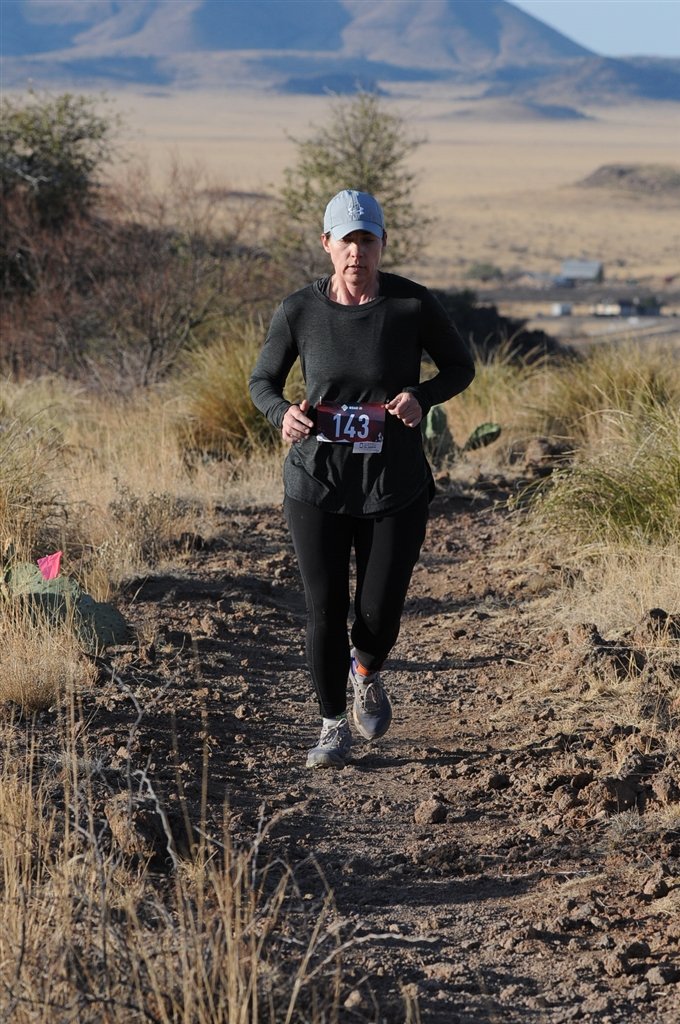
At 43 years old, going through a divorce, I decided the best thing I could do for my healing was train to beat women half my age in a mountain trail race in Fort Davis, Texas. Logical? Maybe not. But that's what competitive women do. I trained for months, working out six out of seven days a week: interval training, weights, yoga, cycling, and hill sprints.
I set about my training with methodical intention, putting self-monitoring and optimization practices into place. One such tool was a Whoop watch, a wearable device that measured my daily strain, recovery, sleep efficiency, and basic vitals. Three color zones, green, yellow, and red, would indicate my current state. Green meant I'd stayed in the ideal strain zone, recovered well, and slept soundly. Yellow meant I was pushing too hard and needed rest. Red meant power down.
I obsessively tracked my numbers, wanting to achieve green every day, though most of my time was spent in the yellow zone. Instead of resting, I pushed harder. Changed up the system for better results.
April arrived and it was time for the race. I packed up the camper, coffee in hand, and headed to the trail head. My Whoop gave me a green light. I was rested, hydrated, and recovered.
I steadily attacked each steep incline, continuing on when others stopped. I sprinted down the hills to pass when others took it easy. I picked off competitors one by one.
Around mile 4, a race volunteer told me I was in second. Second woman or second runner overall? I didn't know, but it lit a fire. After all, this is what I had trained so hard for. After topping an outcrop of rock, I descended a rocky switchback and picked up speed. Even though my trail shoes had extra grip, my momentum couldn't keep them from slipping on the loose gravel. On my next step, I extended my left foot and when it hit the ground, it didn't plant. It kept sliding. I lost my balance, heading face first into the gravel, and caught myself with my hands and right knee. I looked like a baseball player sliding into home plate, except this was no home run. When my left hand landed, it came down on a large pointed rock, jamming my thumb and breaking a bone in my wrist. In the twisting to save my face, something tore in my hip. I got up, a little in shock, shook it off, and kept sprinting. I wouldn't realize how badly I was hurt until later.
I crossed the finish line bleeding, wrist throbbing, hip screaming, and raised my arms anyway. I finished just 21 seconds behind the only runner ahead of me, a 21-year-old male. I had won the women's race and nearly beat the youngest male runner. Not bad for a middle-aged woman.
Did I win? Yes. But at what cost?
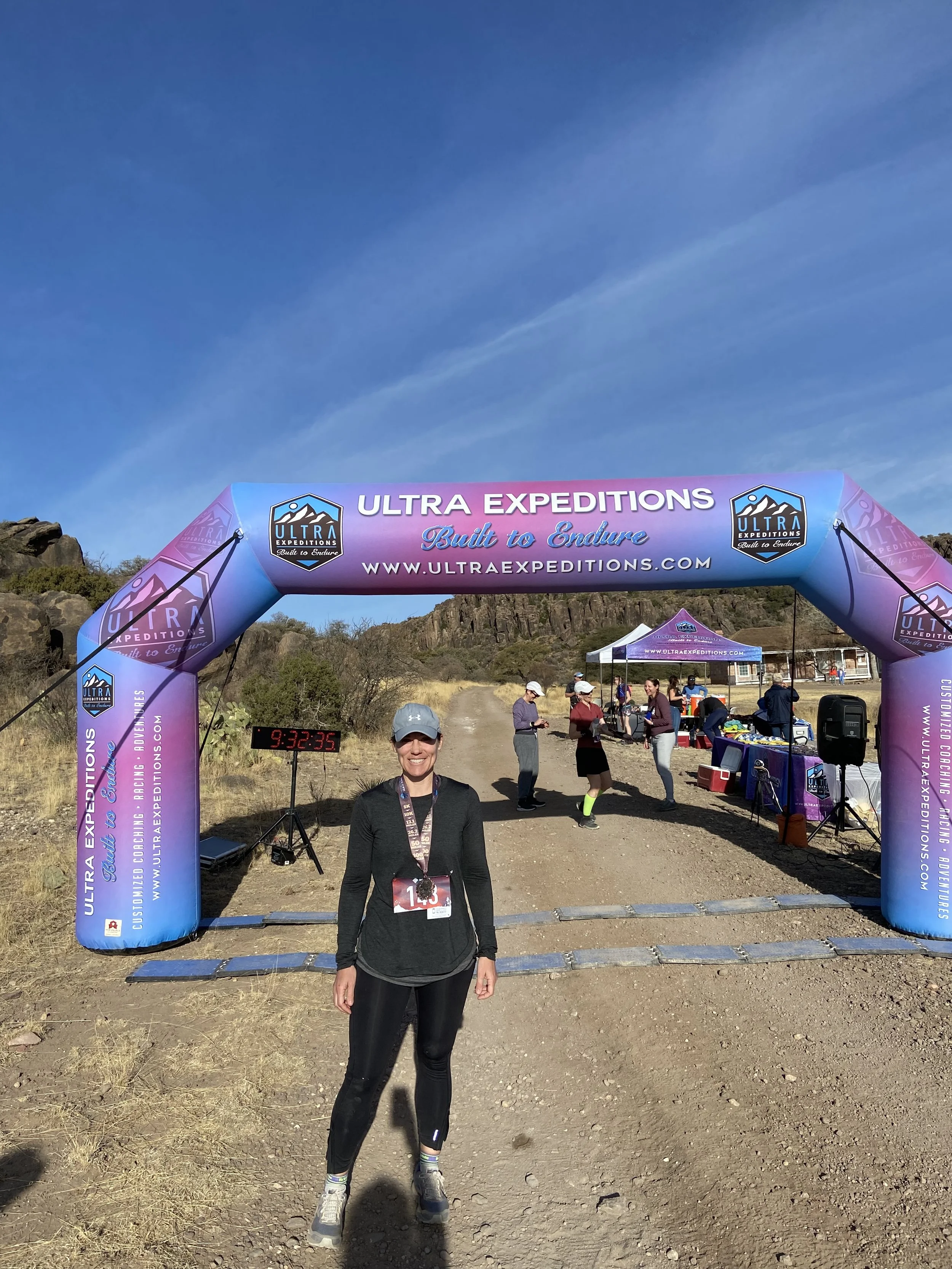
I thought I would feel ecstatic. I had spent months training for this race, physically and mentally, but the high of winning lasted only a moment. I returned to my campsite that evening and took stock. I couldn't figure out why I wasn't happier.
A year of training, optimizing, and grinding it out, and the toll on my body said it all. The illusion was unfolding.
I wasn't better.
I was broken.
Physically, mentally, and spiritually.
In my drive to optimize and self-monitor, what I thought was discipline was actually anxiety. The kind that many high-achieving women know well but rarely name.
Tears rolled down my cheeks as the cost of winning began to sink in. My wrist was broken, my hip labrum torn, my body literally run ragged. I had accomplished something huge and felt worse than when I started.
The cost was too great. The fixation on extreme routines, the avoidance of joy, the limiting belief that doing more would make me better had pulled me right out of healing.
Back in the city, I ditched the Whoop. It wasn't optimizing me. It was just giving me anxiety. I took a break from running to heal, and leaned into my body compass to figure out what I actually enjoyed.
In the years since, I've learned that simplifying routines and deepening relationships have produced greater results than any optimization tool ever did. Listening to my body instead of forcing it to perform at an unsustainable level turned out to be the most radical thing I could do.
That's intuitive living. That's wild living.